
As a marketer, you understand the importance of testing ad creatives to improve ad click-through rates (CTR) and overall campaign performance. In this comprehensive guide, we will discuss the best practices and strategies for ad creative testing to help you optimize your advertising efforts.
The Importance of Ad Creative Testing
Testing ad creatives is crucial for maximizing the effectiveness of your advertising campaigns. By experimenting with different ad copy, visuals, and calls-to-action, you can identify what resonates best with your target audience and drive better results.
Case Study: Aarav’s Struggle with Ad Creative Testing
Problem: Aarav, a digital marketer, was struggling to improve the CTR of his online ads. Despite targeting the right audience, his ad creatives were not performing as expected.
Solution: Aarav implemented an ad creative testing framework, where he A/B tested different ad variations to determine the most effective messaging and visuals.
Result: By continuously testing and optimizing his ad creatives, Aarav saw a significant increase in CTR and overall campaign performance.
Creating an Ad Creative Testing Framework
When it comes to ad creative testing, having a structured framework is essential for producing actionable insights and driving meaningful improvements. Here are the key components of a successful ad creative testing framework:
1. Set Clear Objectives
Before starting any ad creative tests, clearly define your objectives and key performance indicators (KPIs). Whether you aim to increase CTR, improve conversion rates, or boost brand awareness, having specific goals will guide your testing strategy.
2. Identify Variables to Test
When testing ad creatives, consider experimenting with different elements such as headlines, images, ad copy, CTAs, and colors. By systematically varying these factors, you can determine the winning combination that drives the best results.
3. Use A/B Testing
A/B testing is a powerful method for comparing two versions of an ad creative to see which performs better. Ensure that your tests are statistically significant and run for an adequate duration to draw meaningful conclusions.
4. Analyze and Interpret Results
After conducting ad creative tests, analyze the results to understand what resonates with your audience. Look for patterns, trends, and insights that can inform future iterations and optimizations.
How do I reduced my CPL in meta ads you can check also
Case Study: Neha’s Experience with Ad Copy Testing
Problem: Neha, a social media marketer, was struggling to craft compelling ad copy that drove engagement. Her previous ad campaigns were not generating the desired response from her target audience.
Solution: Neha implemented an ad copy testing strategy, where she tested different messaging tones, lengths, and CTAs to identify the most persuasive content.
Result: By continuously refining her ad copy through testing, Neha saw a significant increase in engagement metrics and a higher ROI on her ad spend.
Tools for Ad Creative Testing
There are several tools available to assist marketers in conducting ad creative tests effectively. Here are five popular tools for ad creative testing along with their features, pros, cons, pricing, and best use cases:
1. Google Optimize
Google Optimize is a comprehensive testing and personalization platform that allows marketers to test different variations of ad creatives and measure their impact on conversion rates.
Features: A/B testing, multivariate testing, personalization, integration with Google Analytics.
Pros: Easy to use, robust analytics integration, seamless integration with Google Ads.
Cons: Limited customization options, higher pricing for advanced features.
Pricing: Starts at $0 for basic features, with premium plans available for advanced testing capabilities.
Best For: Marketers looking to optimize ad creatives for better conversion rates and ROI.
Real Use Case: Meera, a PPC specialist, used Google Optimize to test different ad variations and improve the performance of her Google Ads campaigns.
2. Adobe Target
Adobe Target is a powerful testing and personalization tool that enables marketers to create and test personalized ad experiences for their target audience.
Features: A/B testing, AI-powered personalization, advanced targeting capabilities, real-time reporting.
Pros: Robust personalization features, seamless integration with Adobe Marketing Cloud, advanced targeting options.
Cons: Higher pricing, steep learning curve for beginners.
Pricing: Custom pricing based on enterprise needs, with a free trial available for testing purposes.
Best For: Enterprises seeking advanced testing and personalization features for their ad campaigns.
Real Use Case: Arjun, a digital marketing manager, leveraged Adobe Target to create personalized ad experiences that drove higher engagement and conversions.
3. Optimizely
Optimizely is a popular experimentation platform that allows marketers to create and test ad variations across different channels to optimize campaign performance.
Features: A/B testing, multivariate testing, personalization, mobile optimization.
Pros: Intuitive interface, robust testing capabilities, seamless integration with other marketing tools.
Cons: Pricing can be high for smaller businesses, limited customization options for certain features.
Pricing: Custom pricing based on business needs, with a free trial available for testing purposes.
Best For: Marketers looking to conduct advanced ad creative tests across multiple channels for maximum impact.
Real Use Case: Kabir, an e-commerce marketer, utilized Optimizely to test different ad variations on his website and saw a significant increase in conversion rates.
4. VWO
VWO is an all-in-one testing and personalization platform that enables marketers to design, test, and optimize ad creatives for improved performance.
Features: A/B testing, multivariate testing, heatmaps, session recording, targeting options.
Pros: User-friendly interface, robust targeting capabilities, extensive reporting and analytics.
Cons: Limited integration options with other marketing tools, higher pricing for advanced features.
Pricing: Starts at $199 per month for basic features, with custom pricing available for enterprise needs.
Best For: Marketers seeking an all-in-one platform for ad creative testing, optimization, and personalization.
Real Use Case: Rahul, a growth marketer, used VWO to test different ad variations and optimize his campaigns for better performance.
5. Convert Experiences
Convert Experiences is a conversion rate optimization tool that allows marketers to create and test ad variations to improve website engagement and conversion rates.
Features: A/B testing, multivariate testing, personalization, targeting options, integration with marketing tools.
Pros: Comprehensive testing features, seamless integration with popular marketing tools, customizable reporting.
Cons: Steeper learning curve for beginners, higher pricing for advanced features.
Pricing: Starts at $699 per month for basic features, with custom pricing available for enterprise needs.
Best For: Marketers looking to optimize ad creatives and landing pages for improved conversion rates and user experience.
Real Use Case: Ananya, a digital marketing consultant, utilized Convert Experiences to test different ad variations for her clients and drive higher conversion rates.
Common Mistakes to Avoid in Ad Creative Testing
While ad creative testing can yield valuable insights, there are common pitfalls that marketers should avoid to ensure meaningful results. Here are some mistakes to steer clear of:
1. Not Testing Sufficient Variations
Testing only a few ad variations may not provide enough data to draw statistically significant conclusions. Make sure to test a diverse range of creatives to identify the most effective elements.
2. Neglecting Mobile Optimization
In today’s mobile-centric world, it’s crucial to optimize ad creatives for mobile devices. Neglecting mobile responsiveness can lead to lower engagement and conversion rates.
3. Ignoring Audience Segmentation
Not segmenting your audience and testing ad creatives on a broad scale can limit the effectiveness of your tests. Tailor your ad variations to specific audience segments for more targeted results.
Actionable Advice for Effective Ad Creative Testing
To make the most of your ad creative testing efforts, follow these actionable tips:
1. Continuously Test and Iterate
Ad creative testing is an ongoing process. Continuously test new variations, analyze the results, and iterate on your creatives to drive continuous improvements.
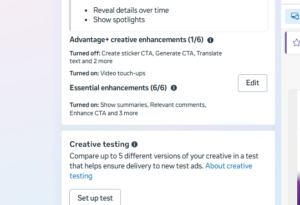
2. Incorporate Feedback and Insights
Pay attention to feedback from your audience and insights from your testing data. Use these inputs to inform your creative decisions and optimize for better results.
Conclusion
Ad creative testing is a critical component of successful advertising campaigns. By implementing a structured testing framework, leveraging the right tools, and avoiding common pitfalls, marketers can optimize their ad creatives for maximum impact and drive better campaign performance.
FAQ
Ad creative testing allows marketers to experiment with different ad variations to identify the most effective messaging, visuals, and calls-to-action that resonate with their target audience, leading to improved campaign performance.
Common mistakes to avoid in ad creative testing include not testing sufficient variations, neglecting mobile optimization, and ignoring audience segmentation. By addressing these pitfalls, marketers can ensure more meaningful testing results.
To enhance ad creative testing efforts, marketers should continuously test and iterate on their creatives, incorporate feedback and insights from their audience and data, and optimize for better results based on testing outcomes.
A structured ad creative testing framework provides a systematic approach for marketers to set clear objectives, identify variables to test, use A/B testing methodology, analyze results, and optimize creatives, leading to more informed decisions and improved campaign performance.
Popular tools for ad creative testing include Google Optimize, Adobe Target, Optimizely, VWO, and Convert Experiences. These tools offer features such as A/B testing, multivariate testing, personalization, and targeting options to help marketers optimize their ad creatives effectively.