In today’s crowded market, every body is looking for What Is Brand Positioning, having a good product is not enough. Customers are exposed to thousands of brands every day. If your brand does not clearly communicate what makes it different, it simply blends into the noise.
That clarity of difference is called brand positioning.
Brand positioning defines how your brand is perceived in the minds of customers compared to competitors. It determines what you stand for, who you serve, and why someone should choose you over alternatives.
Without positioning, marketing becomes random. With positioning, every message becomes strategic.
What Is Brand Positioning?
Brand positioning is the strategic process of defining how you want your target audience to perceive your brand relative to competitors.
It answers four critical questions:
- Who is your ideal customer?
- What problem do you solve?
- What makes you different?
- Why should customers trust you?
Positioning is not about logos or colors. It is about perception.
For example:
Two coffee shops may sell similar coffee, but one positions itself as premium artisan coffee, while another positions itself as affordable daily convenience. The product may be similar, but the perception is entirely different.
That perception influences pricing, messaging, branding, and customer loyalty.
Why Brand Positioning Is Important
Strong positioning provides clarity and direction. Here’s why it matters:
1. Creates Differentiation
When markets are crowded, differentiation becomes survival. Clear positioning separates you from competitors.
2. Attracts the Right Audience
You cannot serve everyone. Positioning helps you attract customers who resonate with your brand values and messaging.
3. Increases Pricing Power
Brands with strong positioning can charge premium prices because customers perceive higher value.
4. Builds Emotional Connection
Customers connect with brands that reflect their identity, aspirations, or lifestyle.
5. Aligns Marketing Strategy
From ads to social media to website content — everything becomes consistent and focused.
Core Elements of Brand Positioning
Below is a structured breakdown:
| Element | Description | Why It Matters |
|---|---|---|
| Target Audience | Specific group your brand serves | Focus improves clarity |
| Market Category | Industry or space you operate in | Sets context |
| Unique Value Proposition | What makes you different | Drives preference |
| Competitive Advantage | Strength competitors cannot copy easily | Sustains growth |
| Brand Promise | Experience customers expect | Builds trust |
Each element must align with your overall business goals.
Step-by-Step Guide to Creating Brand Positioning
Step 1: Define Your Target Audience
Be specific. Avoid broad definitions.
Instead of:
“Small businesses”
Say:
“Early-stage digital marketing agencies with fewer than 10 employees”
Clarity improves messaging precision.
Step 2: Analyze Competitors
Study how competitors position themselves:
- Are they premium or affordable?
- Are they innovative or traditional?
- Are they feature-focused or benefit-focused?
Look for gaps in the market. Positioning opportunities exist in spaces competitors ignore.
Step 3: Identify Your Unique Value
Your differentiation could be:
- Price
- Speed
- Customer experience
- Technology
- Niche specialization
- Quality
Choose one primary differentiator. Trying to own multiple positions weakens clarity.
Step 4: Craft a Positioning Statement
A simple framework:
For [target audience],
Brand is the [category]
That provides [unique benefit]
Unlike [competitor],
We [primary differentiator].
Example:
For small e-commerce brands, our agency is a growth-focused marketing partner that delivers data-driven scaling strategies unlike generic agencies that rely on guesswork.
Step 5: Align Brand Messaging
Once positioning is defined:
- Website copy should reflect it
- Ads should reinforce it
- Content should support it
- Social media tone should match it
Consistency builds perception over time.
Real Example: How I Used Brand Positioning in My Own Agency
To make this more practical, here is a real example from my own experience.
When I started working in the real estate space, I had already run Meta Ads and Google Ads campaigns for Nezealand-based real estate projects. Instead of positioning myself as a general “digital marketing expert,” I made a strategic decision.
I narrowed my positioning to:
Real Estate Lead Generation Specialist Using Paid Ads + Automation Systems
This was a conscious brand positioning move.
Why I Chose Real Estate Positioning
I wanted to attract real estate clients in India as well. But instead of saying:
“Digital Marketing Agency”
I positioned myself as:
“Real Estate Paid Ads & Automation Growth Partner”
That single positioning shift changed everything.
It helped me:
- Target a specific audience (real estate developers & agencies)
- Speak directly to their problems (lead quality, follow-up issues)
- Differentiate from generic marketing agencies
- Showcase proof from similar industry projects
My Positioning Strategy Structure
Here’s how I structured it:
| Element | My Positioning |
|---|---|
| Target Audience | Real estate developers & property marketers |
| Service Focus | Meta Ads + Google Ads |
| Differentiator | Automated lead handling system |
| Core Promise | Not just leads — but structured lead management & follow-up |
Instead of selling ads, I sold a lead generation system.
How I Positioned My Automation System
I clearly communicated that I don’t just generate leads — I build a complete workflow.
Here’s the flow I used and explained to clients:
Lead Generation & Automation Flow:
- Meta Ads / Google Ads generate property leads
- Lead data automatically captured
- Leads instantly sent to Google Sheets
- Automated email notification triggered
- Sales agent receives alert
- Immediate follow-up call
This removed:
- Manual data entry
- Lead delays
- Missed inquiries
- Slow response times
That automation positioning became my competitive advantage.
Most agencies stop at ads.
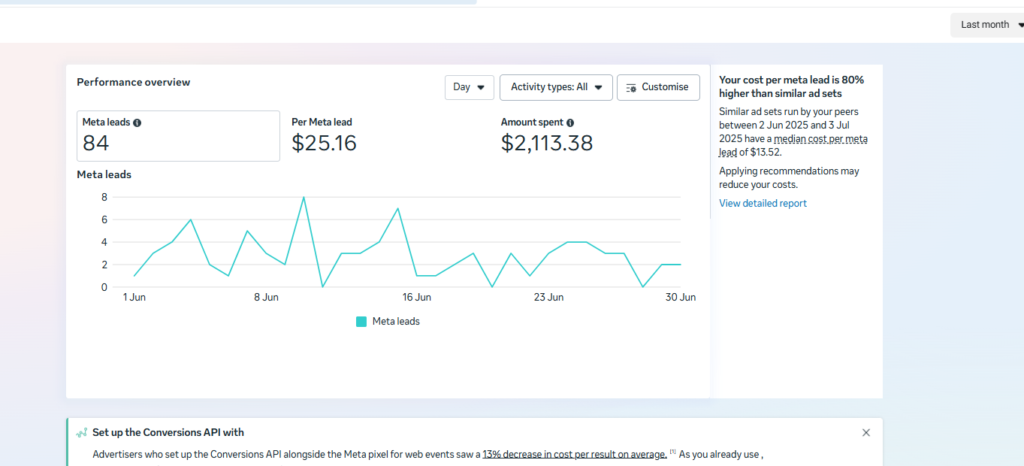
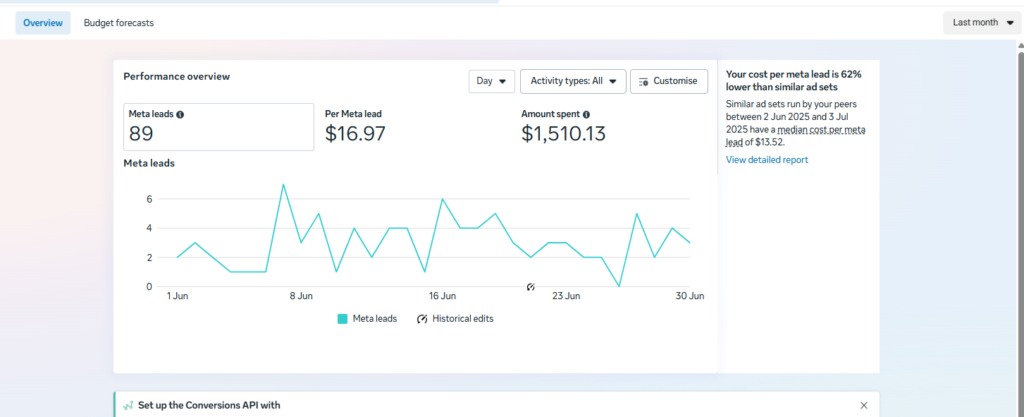
I positioned myself around ads + structured system + automation clarity. you can also check How I helped them Reduced CPL in Meta Ads
Projects & Locations I Worked With
Through this focused positioning, I worked with real estate projects in locations including:
- Elementum
- Kiefer
- Warkworth
- Weiti Bay
- Humphreys Terraces
- Green View
- Stream View
Instead of listing random industries, I consistently highlighted real estate-only results.
That reinforced my positioning in the market. I am showing some examples below –
Why This Positioning Worked
- It made my marketing message clear.
- Real estate clients felt I understood their industry.
- I differentiated through system-based execution.
- My content, ads, and messaging aligned with one niche.
Because I positioned myself clearly, attracting real estate clients in India also became easier. My brand perception shifted from “ads freelancer” to “real estate growth partner.”
Key Lesson from My Example
Positioning is not about saying you can do everything.
It is about:
- Choosing a niche
- Highlighting a system
- Showing proof
- Communicating process clarity
When your positioning is specific, trust increases.
When trust increases, conversions improve.
That is the power of brand positioning in online marketing action.
Types of Brand Positioning Strategies
Brands typically position themselves using one of these strategies:
1. Price-Based Positioning
Focus on affordability.
2. Quality-Based Positioning
Premium and high-end.
3. Problem-Solution Positioning
Specialized in solving a specific problem.
4. Niche Positioning
Serving a specific audience segment.
5. Lifestyle Positioning
Aligning with identity and aspirations.
6. Innovation Positioning
Focused on technology and progress.
Choose the approach that aligns naturally with your strengths.
Common Brand Positioning Mistakes
Avoid these common errors:
- Trying to appeal to everyone
- Copying competitor messaging
- Changing positioning frequently
- Confusing features with benefits
- Lack of internal clarity
Positioning is a long-term commitment, not a short-term campaign.
Brand Positioning vs Branding
Many people confuse the two.
| Brand Positioning | Branding |
|---|---|
| Strategic foundation | Visual identity & execution |
| Defines perception | Communicates perception |
| Internal clarity | External presentation |
Positioning comes first. Branding expresses it.
How Brand Positioning Impacts Marketing
Clear positioning affects:
- SEO keyword targeting
- Ad messaging
- Social content themes
- Pricing strategy
- Sales pitch clarity
For example, if your positioning is “premium,” your messaging should reflect quality and expertise — not discounts and cheap offers.
Measuring Brand Positioning Success
You can evaluate positioning using:
- Customer surveys
- Brand recall studies
- Net Promoter Score
- Repeat purchase rate
- Social media sentiment
If customers describe your brand using the words you intended — your positioning works.
FAQ Section
Brand positioning is how a brand wants to be remembered and perceived in customers’ minds compared to competitors.
No. Startups and small businesses benefit even more because positioning helps them stand out quickly.
Positioning should remain stable long-term but can evolve if market conditions or business direction changes significantly.
Positioning defines overall perception in the market, while a value proposition explains the specific benefit offered to customers.
It is possible but risky. Strong brands usually focus on one clear dominant position.
Final Thoughts
Brand positioning is not optional in competitive markets. It is the foundation of all marketing and business decisions.
If you do not define your position, the market will define it for you.
Clarity builds trust.
Trust builds preference.
Preference builds profit.
If you want to build a stronger brand strategy and attract better customers, start by defining your positioning today.
Need help crafting your positioning statement or brand strategy?
Let’s build a clear, powerful brand foundation that drives long-term growth.